


Industrial heat exchange equipment faces endless invisible troubles in long-term high-temperature, corrosive working conditions. Many factories only focus on surface heat transfer efficiency when selecting equipment, ignoring material aging, medium leakage, and frequent maintenance failures that silently reduce overall production profits. Most conventional metal heat exchangers cannot resist strong acid, strong alkali and complex corrosive media, leading to frequent component damage, unstable process temperature, and unexpected production shutdowns that bring huge economic losses to enterprises. Choosing a reliable anti-corrosion heat exchange solution directly determines the stable operation cycle and comprehensive operating cost of the entire production line.
High-performance impermeable graphite heat exchanger has gradually become the core preferred equipment for chemical, pharmaceutical, acid-making and waste gas treatment industries. Unlike ordinary metal equipment, graphite material owns inherent chemical stability, extreme corrosion resistance and excellent thermal conductivity. It can maintain stable structural performance under continuous high temperature and strong corrosive working environment, avoid frequent replacement of vulnerable parts, and fundamentally solve the pain points that traditional heat exchangers cannot adapt to harsh process media. A large number of actual industrial operation cases have verified that graphite heat exchangers greatly extend continuous operation time and reduce unplanned downtime losses.
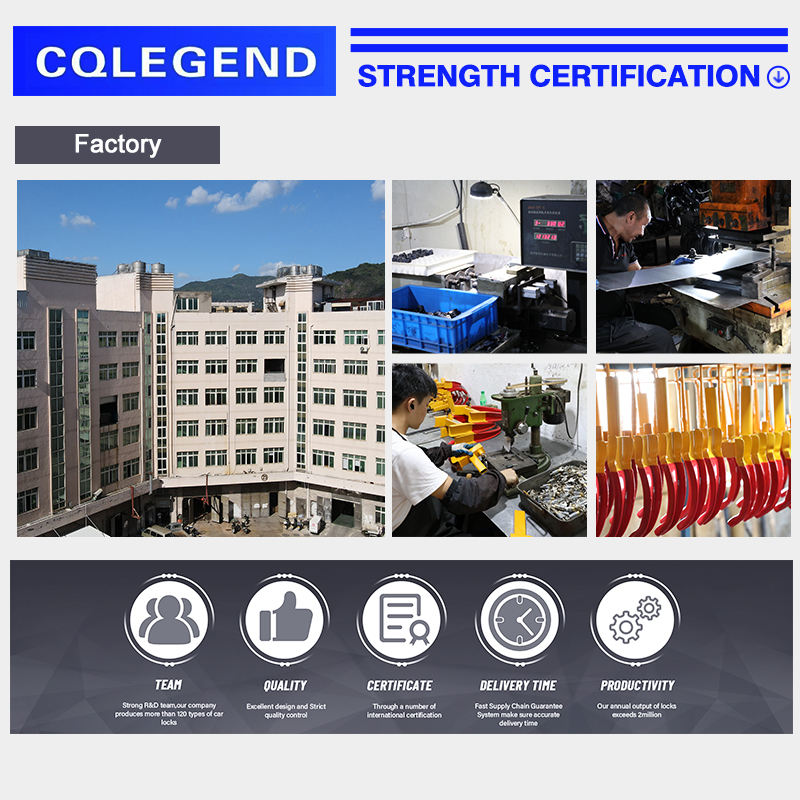
Wuzhou Chuanqi Industrial Equipment specializes in customized R&D, production and installation of integrated graphite pressure vessels and heat exchange equipment. The enterprise strictly controls raw material screening, molding process, impermeable treatment and pressure testing procedures, ensuring each finished product meets national industrial pressure vessel safety standards. All graphite heat exchanger products undergo multi-stage sealing performance testing, pressure resistance testing and temperature resistance durability testing before leaving the factory, effectively avoiding hidden dangers such as medium penetration, joint leakage and tube bundle cracking that plague daily industrial production.
Many users misunderstand that anti-corrosion heat exchangers sacrifice heat transfer efficiency for corrosion resistance. In actual industrial application scenarios, this view is completely wrong. Dense impregnated graphite material balances ultra-high corrosion resistance and efficient heat conduction performance at the same time. It adapts to hydrochloric acid, sulfuric acid, acetic acid, mixed acid and various organic corrosive media, and keeps stable heat exchange coefficient under fluctuating temperature and flow rate. It will not produce scaling adhesion on the inner wall like metal equipment, maintaining long-term efficient heat exchange state without frequent manual cleaning and descaling maintenance.
Deep hidden problems ignored by most enterprises include medium side erosion, thermal stress cracking, aging failure of sealing gaskets and matching deviation with pipeline systems. These problems are not obvious in short-term operation, but will accumulate rapidly in long-time continuous production. Once leakage and failure occur, they will cause environmental pollution, safety accidents, product quality degradation and heavy maintenance costs. Professional structured graphite heat exchangers optimize internal flow channel design, disperse thermal stress concentration, adopt high-compatibility corrosion-resistant sealing matching, and comprehensively block all potential hidden safety and operation risks from the source.
Core Performance Comparison Between Graphite Heat Exchanger & Traditional Metal Heat Exchanger
| Performance Index | Impermeable Graphite Heat Exchanger | Ordinary Stainless Steel Heat Exchanger | Titanium Alloy Heat Exchanger |
|---|---|---|---|
| Strong Acid Corrosion Resistance | Excellent, applicable to almost all inorganic & organic acids | Poor, easy to corrode and pit in strong acid environment | Medium, limited resistance to high-concentration complex acid media |
| Long-term Working Temperature | -20℃ ~ 180℃ | -20℃ ~ 300℃, rapid corrosion failure at high temperature | Limited high temperature resistance, high material cost |
| Anti-scaling & Anti-adhesion Performance | Outstanding, smooth inner wall, not easy to accumulate dirt | General, easy scaling, frequent descaling required | General, high maintenance difficulty |
| Continuous Stable Operation Cycle | 1–5 years stable operation without major repair | 1–6 months easy corrosion damage | 6–12 months local failure |
| Comprehensive Operation Cost | Low overall cost, few maintenance parts | High later maintenance and replacement cost | Extremely high procurement and maintenance cost |
In actual factory production practice, the hidden cost of heat exchanger failure is far higher than the initial equipment purchase price. Frequent shutdown maintenance affects production progress, damaged equipment pollutes finished products, corrosive medium leakage causes pipeline corrosion and workshop environmental hazards, and irregular maintenance also increases labor input and safety management pressure. Impermeable graphite heat exchangers reduce the whole-life cycle cost of enterprises by reducing failure rate, lowering cleaning frequency and prolonging service replacement cycle.
The reasonable structural design also directly affects the actual use effect of heat exchange equipment. The shell-and-tube graphite heat exchanger adopts reasonable flow distribution structure, which reduces flow dead zone inside the equipment, improves heat exchange uniformity, and avoids local overheating damage. Compact overall layout saves workshop installation space, matches most existing chemical process pipelines, and does not need large-scale transformation of original production system during installation and replacement.
Different industry working conditions have differentiated requirements for pressure resistance, medium type, flow rate and heat exchange area. Standard universal equipment often cannot match actual production needs, resulting in low efficiency, energy waste and accelerated equipment loss. Customized graphite heat exchanger solutions can adjust specification parameters, material density, sealing structure and interface form according to on-site process conditions, achieving precise matching between equipment performance and production technology, maximizing energy utilization rate and operation stability.
Long-term high-load operation will not cause brittle damage or deformation of qualified graphite heat exchange equipment. Strict impregnation and densification treatment make graphite material have tight internal structure, no pore penetration, and reliable pressure bearing capacity. Cooperated with standardized daily inspection and simple routine maintenance, the equipment can maintain stable working state all year round, becoming a reliable guarantee for continuous and efficient operation of chemical, environmental protection, pharmaceutical and fine chemical production lines.