


Industrial sealing failures remain one of the most overlooked yet costly problems across petroleum, chemical processing, power generation, and pipeline operation systems. Most facility operators only focus on immediate leakage issues, ignoring material aging, high-temperature deformation, pressure fatigue, and chemical corrosion that quietly shorten service life and trigger unexpected shutdowns. Choosing improper sealing parts directly leads to frequent maintenance, safety hazards, wasted energy, and increased long-term operational expenses. Understanding the core performance advantages of professional sealing materials helps enterprises avoid passive repairs and achieve stable, long-cycle equipment operation.
High-density refined graphite sealing gaskets are specially manufactured to adapt harsh working environments that ordinary rubber, asbestos, and composite seals cannot withstand. Unlike conventional seals that soften under high heat or crack under continuous pressure fluctuations, pure flexible graphite materials maintain stable physical structure, low compression creep, and excellent rebound performance throughout continuous high-load operation. This inherent material superiority fundamentally solves chronic leakage problems that trouble most industrial production lines year-round.
Long-term industrial operation data shows that sealing failure rarely happens suddenly. It usually accumulates slowly from micro-leakage, medium corrosion penetration, thermal expansion mismatch, and repeated mechanical vibration. Many enterprises replace seals frequently without figuring out root causes, resulting in repetitive faults and unnecessary cost consumption. Professional sealing solutions provided by Wenzhou Chuanqi Sealing Technology Co., Ltd. target these hidden deep-seated problems, matching customized specifications and material grades according to actual medium, temperature, pressure and pipeline parameters.
High temperature resistance determines the upper service limit of all pipeline sealing products. Ordinary organic seals degrade rapidly above 200°C, losing elasticity and causing irreversible leakage. Flexible graphite gaskets keep reliable sealing performance steadily from low temperature up to extreme high temperature, resisting thermal oxidation and structural collapse under continuous high-temperature smoke, steam, and heat medium delivery. They avoid seal burnout, brittle fracture, and gap leakage that frequently occur with alternative sealing products in boiler, heat exchanger and high-temperature pipeline systems.
Chemical corrosion resistance directly decides the service durability of seals in petrochemical, acid-base transmission and corrosive medium pipelines. Oil, strong acid, strong alkali, solvent and corrosive gas will gradually erode internal structure of ordinary seals, making them swell, dissolve, brittle and lose sealing effect. Pure graphite sealing materials feature inert chemical properties, hardly reacting with most industrial corrosive media, effectively blocking medium penetration and delaying material degradation greatly. This characteristic greatly reduces shutdown replacement frequency and lowers safety accidents caused by corroded seal damage.
Core Performance Comparison of Different Industrial Sealing Gasket Materials
| Material Type | Maximum Working Temperature | Pressure Resistance | Corrosion Resistance | Service Life | Anti-Vibration Performance |
|---|---|---|---|---|---|
| Ordinary Rubber Gasket | ≤220°C | Low to Medium | Poor | Short | Weak |
| Asbestos Composite Gasket | ≤350°C | Medium | General | Medium | Average |
| Common Composite Seal | ≤450°C | Medium | Medium | Medium | General |
| High-Purity Graphite Gasket | ≤850°C | High | Excellent | Long-Term | Outstanding |
Deep hidden troubles behind daily sealing leakage include uneven flange surface fit, gasket compression mismatch, thermal expansion coefficient difference, and frequent pipeline vibration impact. Most maintenance workers only replace damaged gaskets directly, without adjusting installation matching parameters, leading to repeated leakage in short time. High-density graphite gaskets own excellent surface compliance and adjustable compression resilience, adapting slight flange irregularities and buffering continuous pipeline vibration, greatly reducing secondary leakage caused by installation and operation factors.
Energy loss caused by tiny sealing leakage is far greater than most enterprise managers imagine. A small continuous gas or liquid leakage will cause massive heat loss, medium waste, increased energy consumption and abnormal equipment load. Graphite sealing gaskets achieve ultra-low tightness sealing effect, effectively reducing medium escape, lowering overall energy consumption, and helping production systems operate more energy-saving and environmentally compliant. At the same time, tight sealing also prevents harmful gas leakage, protecting on-site operating environment and worker personal safety.
In long-cycle continuous production, downtime maintenance brings huge economic losses. Unplanned parking due to seal failure affects production progress, delays delivery cycles and increases labor and maintenance costs. Stable and long-service graphite sealing products extend maintenance intervals significantly, reduce frequent disassembly and assembly work, improve overall operation efficiency of production lines, and bring obvious comprehensive economic benefits for long-term factory operation.
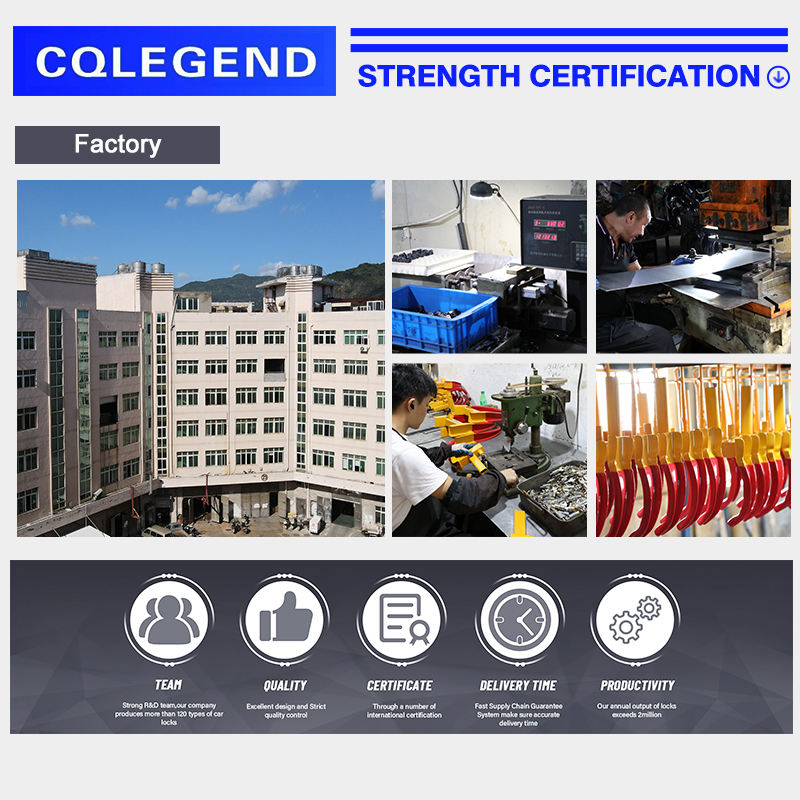
All finished graphite sealing gaskets undergo strict dimensional accuracy testing, density inspection, pressure resistance verification and high-temperature aging testing before delivery. Each product conforms to industrial pipeline safety standards, adapts various flange specifications, and supports customized thickness, diameter and special shape processing. Standardized quality control ensures consistent performance of each batch of products, avoiding quality differences that cause unstable sealing effects on site.
To sum up, selecting suitable high-performance graphite sealing gaskets is not just a simple parts replacement, but a systematic solution to equipment safety, production stability and cost control. By solving surface leakage faults and digging out deep material matching, environmental adaptation and structural matching problems, enterprises can fundamentally improve sealing system reliability, reduce comprehensive operation costs, and maintain safe and stable operation of industrial pipelines and pressure equipment for a long time.