


In modern automated manufacturing and precision equipment assembly, small metal components often determine the overall stability, service life, and safety performance of entire machinery. Many engineering teams only focus on surface dimensional specifications when purchasing parts, ignoring material fatigue resistance, forming consistency, and surface stress distribution. These overlooked hidden problems frequently lead to frequent equipment failures, increased maintenance costs, and unexpected production shutdowns in long-term continuous operation. Choosing qualified alloy precision stamping parts becomes the core solution to eliminate potential safety hazards and stabilize production quality from the source.
Most low-cost ordinary stamping parts use inferior raw materials with uneven internal crystal structure. During high-frequency extrusion, vibration and temperature changes, micro-cracks gradually expand inside the parts. Users rarely detect such defects in short-term testing, but after months of operation, parts break, deform or loosen without warning. This invisible quality risk directly damages matching precision accessories, extends production downtime, and brings unpredictable economic losses to processing enterprises. Professional customized precision stamping alloys can fundamentally avoid these structural defects through standardized material screening and multi-stage precision forming processes.
Reliable industrial accessory suppliers strictly control the whole production chain from raw material smelting, mold opening, stamping forming to precision polishing and anti-corrosion treatment. Wenzhou Chuanqi Precision Parts Co., Ltd. adheres to strict industrial-grade quality standards, adopts advanced progressive die stamping technology, and ensures each finished product maintains ultra-high dimensional tolerance accuracy. Every batch of products undergoes strict pressure resistance testing, fatigue durability testing and appearance flaw inspection before leaving the factory, fully meeting the harsh use requirements of automotive electronics, intelligent instruments, electrical connectors and precision mechanical structures.
Dimensional deviation is another deep-seated problem plaguing precision assembly engineering. Irregular edge burrs, inconsistent thickness tolerance and inaccurate hole position accuracy will cause poor fitting tightness, inflexible operation and abnormal wear of matching parts. Mass-produced non-standard stamping parts lack unified precision control standards, resulting in low assembly efficiency and high rejection rate on the production line. High-standard alloy stamping parts support ultra-small tolerance customization, smooth cutting surfaces and uniform overall structure, greatly improving assembly matching efficiency and reducing manual trimming workload.
Long-term high-temperature, humid or corrosive working environments put higher requirements on the corrosion resistance and oxidation resistance of metal stamping parts. Ordinary iron stamping parts are prone to rust, oxidation and surface peeling after short-term use, which affects electrical conductivity, mechanical clamping stability and overall assembly tightness. High-performance alloy materials have excellent weather resistance, oxidation resistance and chemical corrosion resistance, maintaining stable size and performance in complex harsh environments without frequent replacement and maintenance, effectively reducing the comprehensive operating cost of enterprises throughout the service cycle.
Performance Comparison Table Of Ordinary Stamping Parts & High-Precision Alloy Stamping Parts
| Performance Index | Ordinary Carbon Steel Stamping Parts | High-Precision Alloy Precision Stamping Parts |
|---|---|---|
| Material Fatigue Life | Short, easy to crack under high frequency vibration | Long, stable under continuous high-intensity operation |
| Dimensional Tolerance | Large deviation, poor consistency | Ultra-precise tolerance, batch size uniformity |
| Surface Burr Condition | Obvious burrs, need secondary polishing | Smooth edge, no burr, direct assembly available |
| Corrosion & Oxidation Resistance | Poor, easy to rust in humid environment | Excellent, adapt to high temperature and corrosive environment |
| Assembly Matching Stability | Easy loose, frequent failure | Tight fitting, low later maintenance rate |
| Applicable Scenarios | Low-load simple machinery | Automotive electronics, precision instruments, automation equipment |
Many purchasers mistakenly believe that all stamping parts have the same use effect, blindly pursuing low unit prices while ignoring comprehensive cost accounting. In fact, unqualified parts cause frequent equipment maintenance, scrap of supporting components and delayed production progress, far exceeding the price difference of high-quality accessories. Alloy precision stamping parts have obvious advantages in durability, matching precision and environmental adaptability, which can help enterprises optimize production processes, reduce failure rate and achieve long-term stable operation.
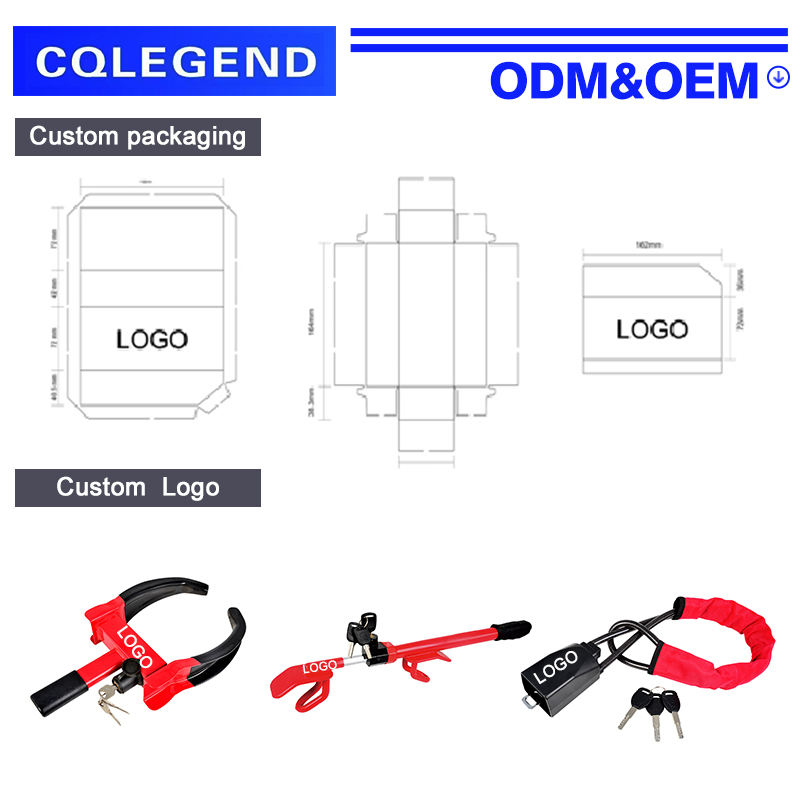
Customized specification service also meets diversified non-standard industrial needs. Different industries have unique requirements for part shape, thickness, hole position, surface treatment and plating process. Professional manufacturers can adjust mold parameters according to actual equipment drawings, produce special-shaped precision stamping parts, and customize anti-rust plating, passivation treatment and surface hardening processes according to working conditions. This personalized customized solution perfectly adapts to non-standard automated equipment, special electrical connectors and customized mechanical structural components.
In summary, selecting professional high-quality alloy precision stamping parts is not only a choice of accessories, but also a strategic arrangement for production safety and cost control. By solving hidden problems such as material aging, dimensional deviation, environmental corrosion and assembly mismatch, qualified precision stamped alloy components continuously improve the overall quality level of industrial products. Stable quality, precise size and long service life make such parts irreplaceable core accessories in modern precision manufacturing industry.